
Why Black Love Feels Like Work: Attachment Wounds and the Myth of Effortless Romance

When love feels like constant vigilance, the problem may be an attachment wound, not your partner. A trauma-informed, Africana phenomenological look at why Black love feels like work, with a three-breath practice.
Chosen Family and the Antidote to Isolation: Rebuilding Belonging After Betrayal or Loss

Betrayal trauma teaches the nervous system that connection is unsafe. A trauma-informed, Africana phenomenological look at rebuilding chosen family and belonging after betrayal or loss.
Algorithms of Despair: How Social Media and AI Curation Deepen Isolation for Black Youth

How engagement-driven algorithms and AI curation deepen isolation for Black youth, with a trauma-informed SHOCK Method practice to reclaim the feed.
Anhedonia and the Body: Why “I’m Fine” Is Sometimes a Nervous System in Shutdown
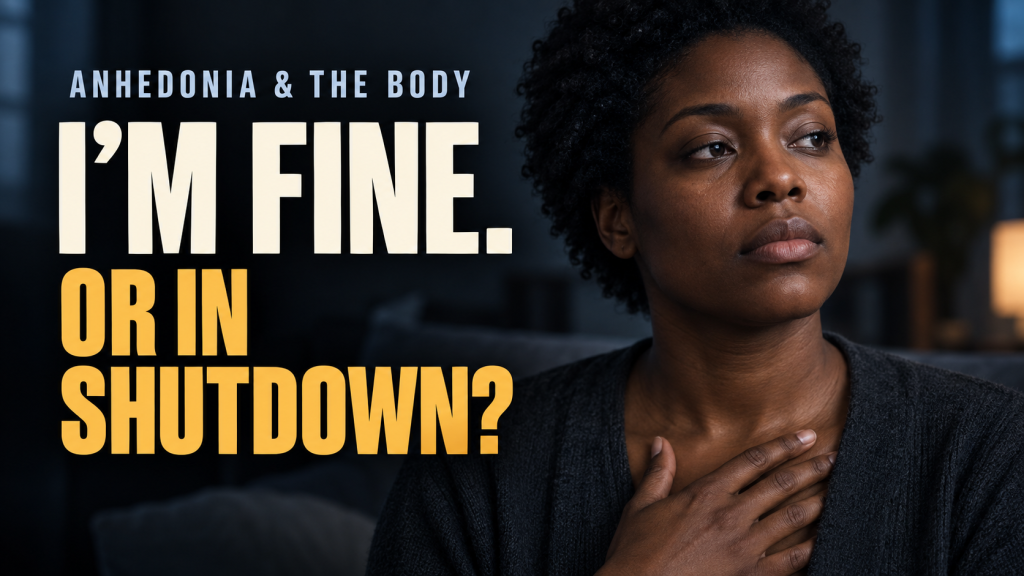
When “I’m fine” masks emotional numbness, the body may be signaling survival-mode shutdown. Explore anhedonia through trauma research, Africana phenomenology, and a practical SHOCK Method sensation inventory.
When He Won’t Say He’s Drowning: Masculinity, Silence, and Relationship Trauma in Black Love
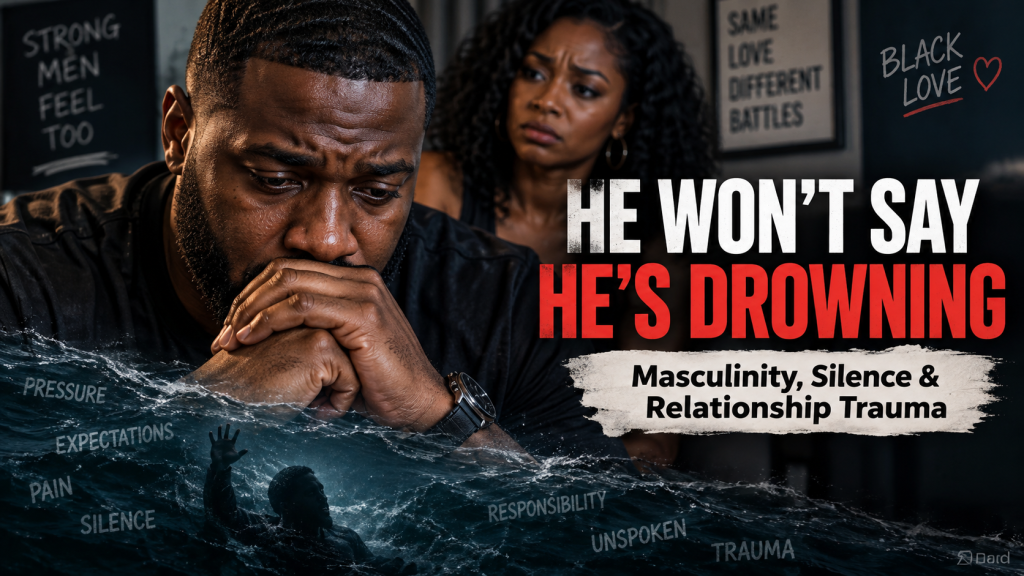
By Rev. Dr. Philippe SHOCK Matthews, D.Msc., D.Ph. — The Metaphysical Minister of Mental Liberation A note before we begin: This article discusses suicidal despair as it moves through Black intimate relationships. If you are in crisis right now, please pause. You can call or text 988 (the Suicide & Crisis Lifeline) any hour of […]
The Silent Epidemic: What the Data on Black Male Suicide Is Really Telling Us
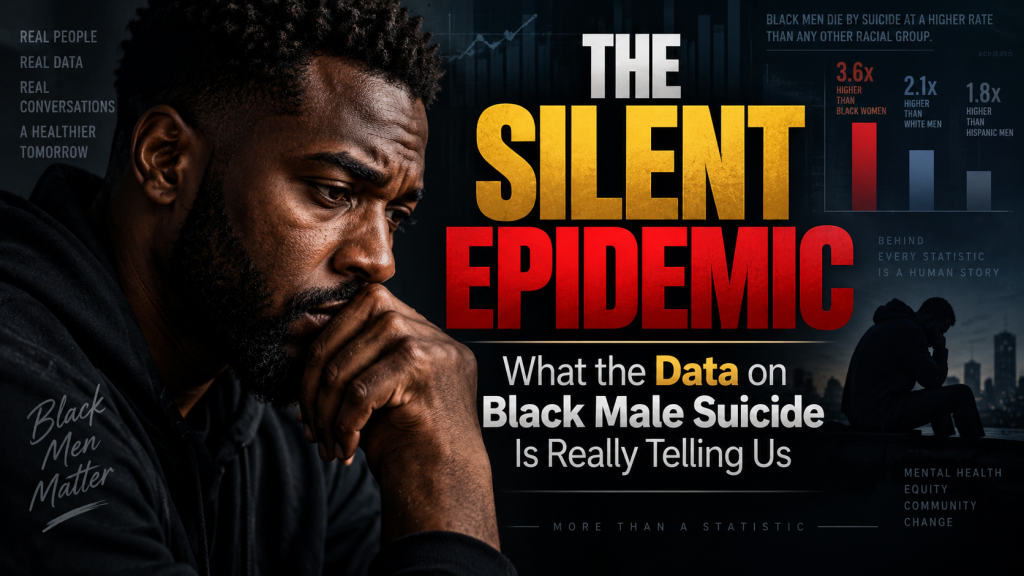
Black male suicide rates are rising at a historic pace. Rev. Dr. Philippe SHOCK Matthews examines what the data reveals through trauma-informed care, Africana phenomenology, and the SHOCK Method—and offers culturally grounded reasons to stay.
Nothing Is Wrong With You: National Recovery Month and the Trinity of Black Trauma
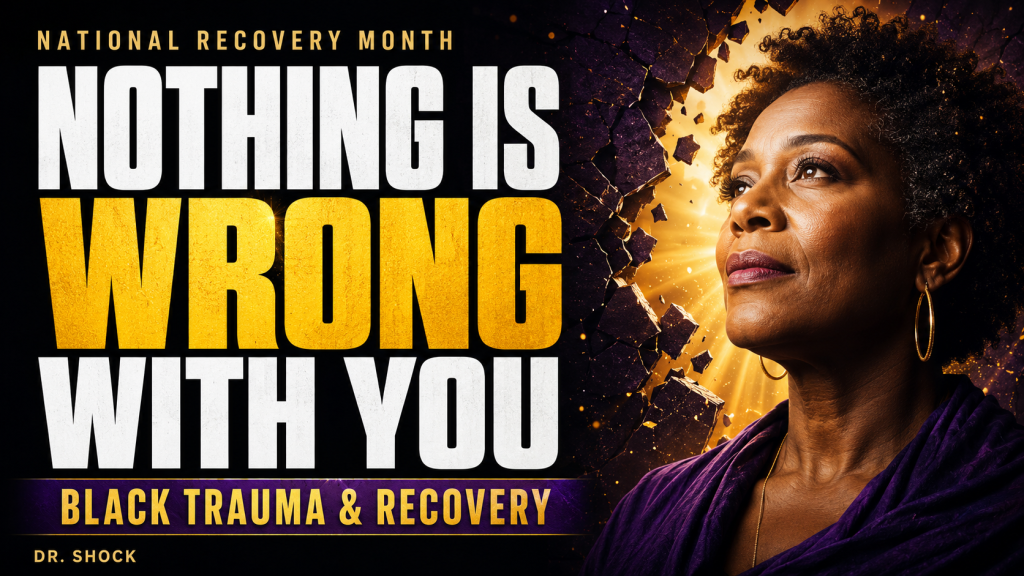
For National Recovery Month, Rev. Dr. Philippe SHOCK Matthews reframes addiction through the Trinity of Black Trauma—historical, systemic, and psychological—and shows why recovery must move from blame toward culturally grounded healing, communal witness, and return.
Horizontal Trauma: Why Wounded Black People Sometimes Harm Those Who Look Like Them
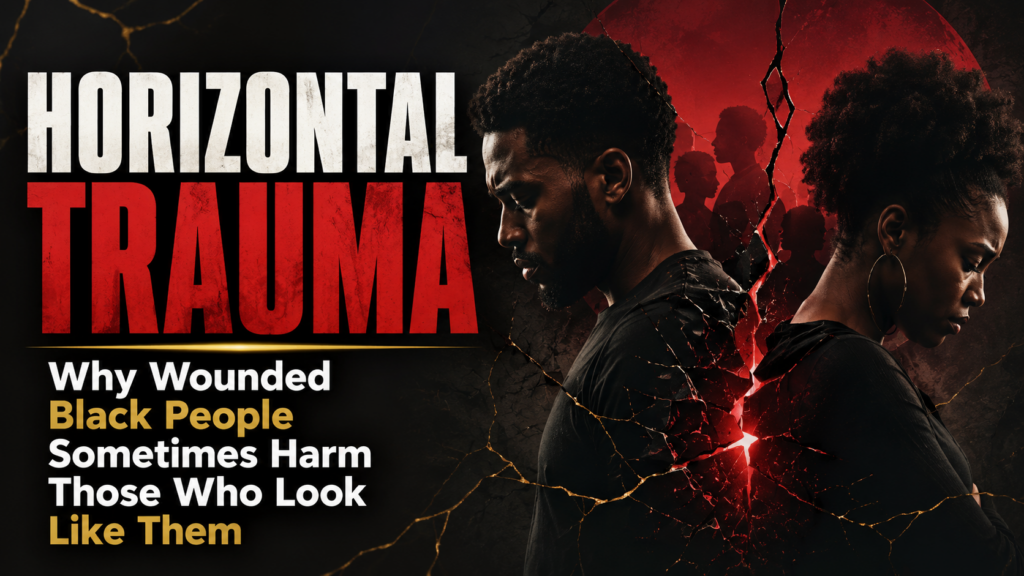
By Rev. Dr. Philippe SHOCK Matthews, D.Msc., D.Ph. The Metaphysical Minister of Mental Liberation The Question Beneath the Question Why does some of the sharpest pain in Black community life come not from outside forces, but from each other — the gossip, the exclusion, the tearing down of someone else’s success, the “crab in a bucket” […]
Fawning Is Not Weakness: The Nervous-System Logic Behind the “Good Negro” Survival Response
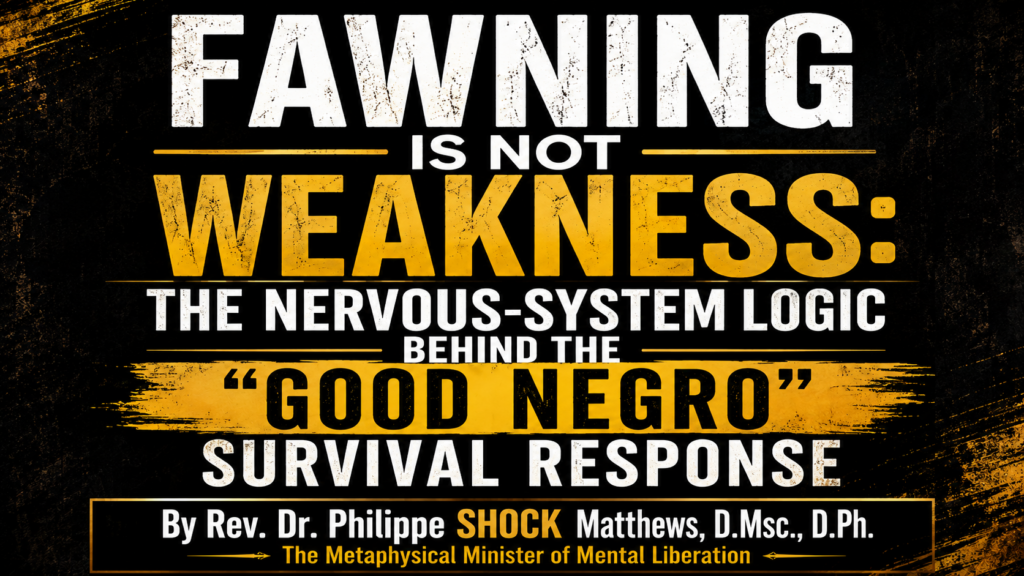
By Rev. Dr. Philippe SHOCK Matthews, D.Msc., D.Ph. The Metaphysical Minister of Mental Liberation The Question Beneath the Question Why do so many of us know exactly how to become smaller, softer, more agreeable the instant a room feels unsafe — modulating our voice, our posture, our very presence to keep the peace? This isn’t a […]
How to Interrupt Rumination: The SHOCK Method Bridging Awareness Exercise
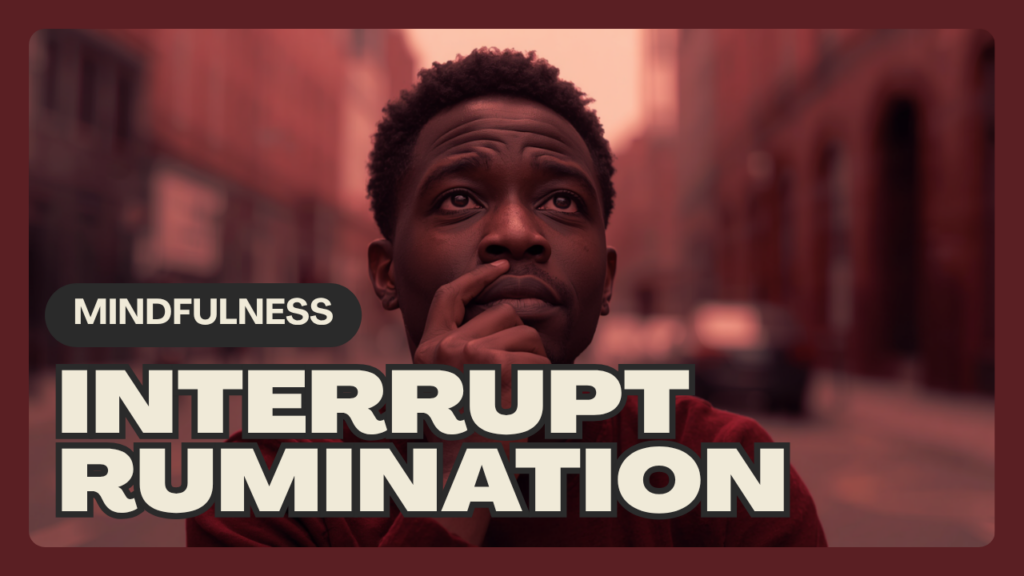
By Rev. Dr. Philippe SHOCK Matthews, D.Msc., D.Ph. The Metaphysical Minister of Mental Liberation The Question Beneath the Question Why does the same painful thought loop for hours — the same replayed conversation, the same imagined confrontation, the same rehearsed comeback to an insult that already happened? Clients often describe rumination as a mental treadmill: exhausting, […]